Excavator Compliance Requirements: Why Your Mini Excavator OEM Order Gets Stuck at Customs
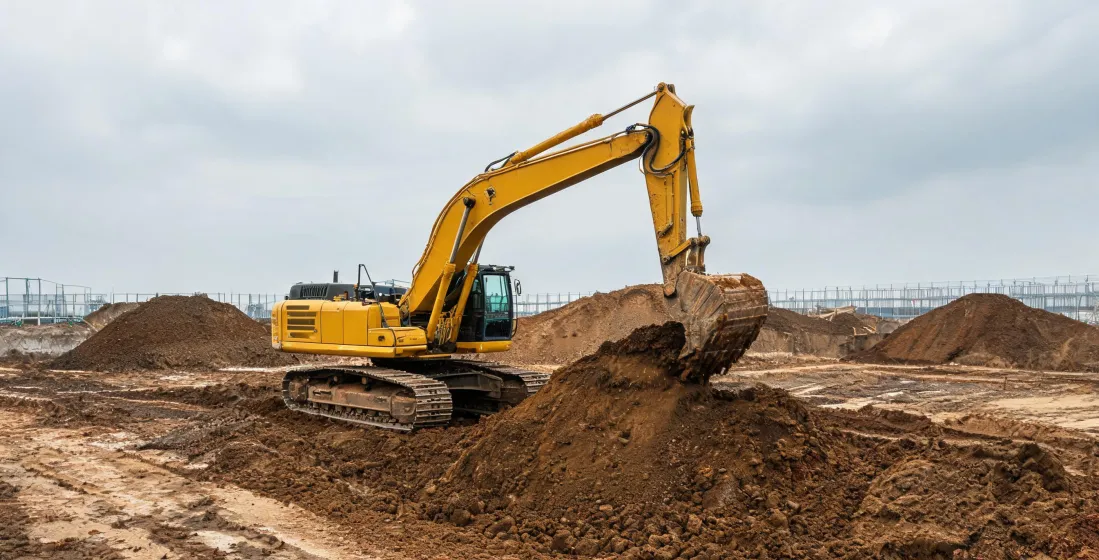
I got the call at 6:34 AM on a Tuesday in March 2024. A contractor I'd worked with before — solid guy, pays on time — had a mini excavator sitting at the Port of Los Angeles. He'd already paid for the machine, arranged transport, and promised it to a municipal job site three weeks out. The problem wasn't the machine. It was a single missing document. His supplier had shipped it with CE marking, but the destination country required CSA certification for that equipment class. "I thought compliance was just a checkbox," he told me. Yeah. I wish.
That single missing document ended up costing him $3,200 in port storage fees and six days of delay. The machine was fine. The paperwork wasn't.
Here's what most buyers don't realize until they're in the same situation: excavator compliance requirements aren't a static list you tick off once. They're a moving target. And for anyone sourcing from a mini excavator manufacturer — especially through private label arrangements — the complexity multiplies fast.
Why Compliance Isn't the Checklist You Think It Is
Most buyers approach compliance the same way. They pull up a spec sheet, confirm the machine has CE or EPA certification, and assume that's sufficient. A typical spec list from a mini excavator manufacturer might look like this:
- EU Stage V or EPA Tier 4 Final emissions
- CE or UKCA marking
- ROPS/FOPS certified cab
- Original certificate of origin
- Export compliance documentation
Clean. Tidy. Looks complete.
But here's the problem — and it's the same one that's bitten buyers I've worked with on orders ranging from $18,000 to over $400,000. That list assumes one market, one use case, and one set of regulations that don't change. None of those assumptions hold up.
Compliance Varies by Destination
"CE certified" gets thrown around like it's universal. It isn't. The EU Machinery Directive 2006/42/EC sets the framework, but individual member states layer on their own requirements. Germany requires additional ROPS testing for certain job site classifications. France has specific noise regulations that go beyond the base directive. And that's before you get into the UK, which now operates under UKCA marking — similar to CE but not identical.
Then there's North America, where EPA Tier 4 Final and CARB (California Air Resources Board) requirements don't fully align. A machine that passes EPA standards might still fail CARB compliance if it's headed to California. Same machine. Different paperwork.
Last year, I worked with a dealer who ordered 30 mini excavators for a project in South America. The machines were certified to EPA Tier 4 Final — which is actually stricter than what the destination country required. But the local customs authority flagged the documentation because it referenced "Tier 4 Final" instead of the EU Stage IIIA equivalent that their system expected. Four days of back-and-forth. Multiple phone calls with the freight forwarder. An extra $2,800 in storage and administrative fees. All because the paperwork said the right thing in the wrong language.
Compliance Changes Over Time
This is the part that catches people off guard. Emissions standards update roughly every five years. Safety regulations evolve continuously. A machine that's compliant today might not be compliant in three years — not because anything changed on the machine, but because the regulations moved.
EU Stage V replaced Stage IV in 2019. Equipment that was perfectly legal to import in 2018 became restricted in 2019. Dealers who had stock sitting in warehouses suddenly found themselves with inventory they couldn't register in certain markets.
According to EU Regulation 2016/1628, Stage V emissions standards apply to all new non-road diesel engines placed on the market — including used equipment imported from outside the EU. Transitional provisions expired, and what was once compliant simply isn't anymore.
For anyone sourcing through a mini excavator private label arrangement, this is especially dangerous. If your manufacturer is building to a spec that was current when the order was placed, but regulations shift before delivery, you're the one holding non-compliant inventory.
Compliance Varies by Purchase Channel
This is where private label and OEM arrangements get tricky. When you buy from a standard mini excavator manufacturer, compliance responsibility is usually clear — they certify the machine meets destination requirements, and that's that. But when you're sourcing under a private label agreement, the lines blur.
Who's responsible for ensuring the machine meets destination compliance? The manufacturer? The brand whose name is on the machine? The importer?
I've seen private label orders get stuck in customs because of this exact ambiguity. The manufacturer assumed the buyer — whose brand was on the machine — would handle destination certification. The buyer assumed the manufacturer would deliver a machine ready for the destination market. Nobody did.
That particular dispute ended up in legal arbitration. The machines sat in port for 11 days. Storage fees alone hit $5,400. The final resolution cost more than the machines were worth.
The Real Cost of Getting Compliance Wrong
Let me put actual numbers to this, because "compliance risk" sounds abstract until you're paying for it.
When a shipment gets flagged at customs for compliance issues, the delay isn't measured in hours. It's four to seven days on average. Port storage runs $150 to $800 per day depending on the port and cargo size. For a shipment of 30 or 50 units, that adds up fast.
But port fees aren't the real cost. The real cost is what happens when equipment doesn't arrive on schedule.
I've watched a contractor lose a $47,000 project because a machine was held at port for six extra days. He couldn't start excavation on schedule, which meant the foundation crew couldn't start, which meant the entire project timeline collapsed. The liquidated damages clause in his contract kicked in. All because of a missing document.
Then there's resale value. Non-compliant equipment is hard to sell. When a buyer can't verify that a machine meets local regulations, they walk away. Or they offer 30-40% below market because they're taking on the compliance risk. Either way, you lose.
I've also seen dealers try to save money by buying from a cheaper mini excavator manufacturer, only to discover that the machines lacked proper ROPS certification — which meant they couldn't be used on any government-funded job site. The savings on the purchase price were erased by the lost rental revenue from jobs they couldn't bid on.
What Actually Works
After handling hundreds of equipment orders over the years, I've settled on a few practices that consistently prevent these problems.
1. Verify compliance for the specific destination market before placing the order.
Don't assume EU standards cover every European country. Don't assume EPA covers North America. Confirm the specific requirements for where the machine will actually operate, and get it in writing.
2. Make compliance explicit in the purchase contract.
When working with a mini excavator manufacturer or mini excavator private label supplier, spell out the compliance requirements in the purchase agreement. Specify which regulatory framework applies, who provides the compliance documentation, and what happens if a machine is denied entry.
3. Work with manufacturers who understand the destination market.
SANY, for example — the company makes equipment for multiple global markets and has to navigate these same compliance frameworks. For machines like the SANY SY155U, which is around 15-ton class, that means meeting EU Stage V and EPA Tier 4 Final standards depending on where it's sold. That kind of multi-market experience matters when you're ordering equipment that needs to clear customs without drama.
But honestly — and this is something I don't say often — the manufacturer matters less than the process. A manufacturer that's transparent about compliance documentation is worth more than one that tells you what you want to hear.
4. Build buffer time into the delivery schedule.
I now recommend 10-15% buffer on any import timeline. Not because things always go wrong, but because when they do — and they will — you want room to fix them without cascading delays.
That contractor from March 2024? He got his machine. We found a certification agency that understood the Canadian requirements — different from both CE and EPA. He paid about $2,400 in rush fees to get the documentation sorted. The machine cleared port on day seven. He made his project deadline.
But he also revised his purchase process. Now every order includes compliance verification as a line item. It's not the fun part of procurement, but it's the part that keeps machines moving — and projects on schedule.

Charlotte Avery is an earth-moving machinery analyst covering excavators, mini excavators, loaders, skid steers, dozers, graders, compactors, and attachments. She uses ISO 6165 machine classification and ISO 20474-1 safety requirements while examining operating mass, rated payload, breakout force, ground pressure, stability, visibility, guarding, and attachment compatibility. Her work helps contractors and fleet buyers match machine size, undercarriage, transport limits, and protective features to terrain, duty cycle, and jobsite access.