How to Choose a Mini Excavator for Wholesale: The 30-Minute Check That Cut Our Emergency Orders From 47 to 19
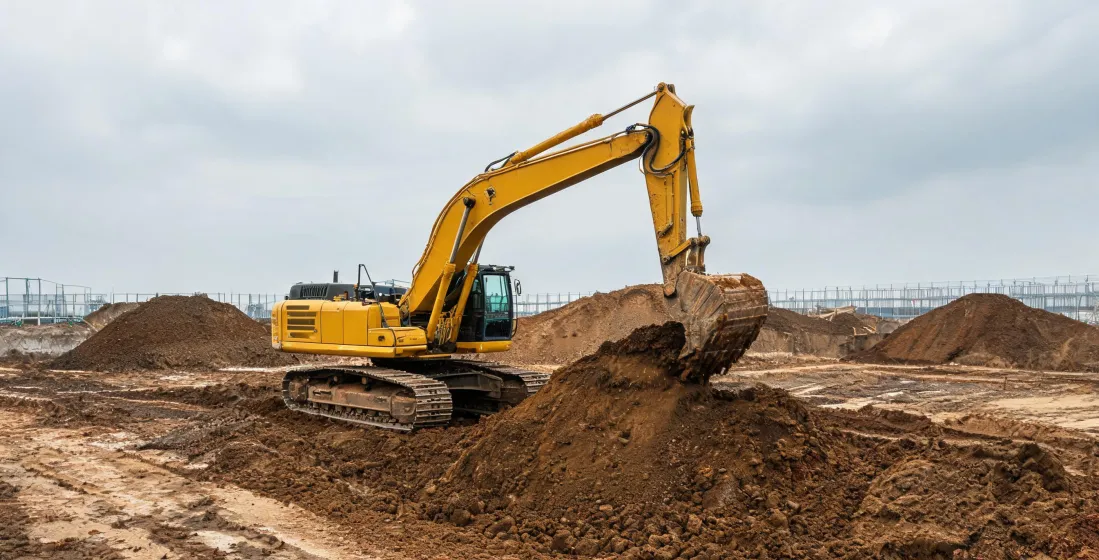
The 11:47 p.m. Call
In March 2024, a dealer partner called me at 11:47 p.m. I remember the time because I was packing for a flight the next morning. His company had just taken delivery of 14 mini excavators. The price was aggressive. The photos looked clean. But when his mechanic tried to mount a digging bucket on the first unit before a contractor delivery, the pins didn't line up. Wrong bucket spec. Wrong coupler standard. And the contractor's project started in eight days.
That call wasn't a one-off. In 2024, my team processed 47 rush sourcing orders for equipment dealers and rental fleets. In 31 of those, the root cause was the same: the buyer optimized the unit price and under-optimized everything that makes a machine sellable. The sentence I heard most often? 'But the price was good.' That's exactly the problem.
I'm the sourcing lead for a regional equipment distributor. I've handled 200+ rush orders in 11 years, including same-week turnarounds for clients with penalty clauses hanging over their heads. This article is about the pattern behind those emergencies—and why it still shows up when buyers think they've done their homework. If you've been googling 'how to choose a mini excavator for wholesale,' this is the part most guides skip.
What I Got Wrong at First
When I first started in equipment procurement, I assumed wholesale buyers who got into trouble had simply paid too much. The fix, I thought, was a lower quote—a better SANY excavator price list, a sharper negotiation, a cheaper source. It took three years and a long string of rescue calls to see how wrong that was.
Cheap machines didn't cause the emergencies. Mismatched machines did. I've watched dealers buy compact excavators for $2,000 less per unit than the next quote, then spend $900 per unit on coupler adapters and wait nine weeks for buckets that should have arrived with the order. In those nine weeks, pre-sold machines turned into inventory and rental reservations turned into cancellations.
Here's the thing: the price of a SANY excavator—or any excavator—is a starting point, not a decision.
Price Lists Compare Machines. Your P&L Doesn't.
When buyers compare SANY excavator prices side by side, they're comparing steel, hydraulics, and engine specs. But a wholesale dealer doesn't make money on steel. You make money when a machine moves off your yard, stays sold, and produces attachment and parts revenue afterward.
Let me put numbers to it. Last year I worked with two dealers who both stocked compact SANY excavators in the 1.5-to-3.5-ton range.
Dealer A negotiated the lowest unit price in his region. To hit that number, he skipped the quick-coupler and bucket compatibility package the supplier offered and bought one universal bucket size instead. The first rental demonstration failed because the machine couldn't switch attachments fast enough, and the bucket was the wrong width for the job. He spent the next four months patching the fleet with aftermarket couplers, losing site work, and paying interest on machines that should have been generating revenue. He saved about $16,000 on the initial purchase. He spent more than $28,000 on corrections, lost rental days, and discounts to keep customers from walking.
Dealer B paid a bit more for similar machines. But he asked one question before signing: 'What do I need on this order so a typical customer can run the machine on day one?' He added couplers, a 12-inch bucket, and a 24-inch bucket to each unit. Fifteen of his sixteen machines sold in eleven weeks. The sixteenth sold at the end of the quarter with a modest discount.
Same manufacturer. Different economics. The difference wasn't the price per unit. It was the sell-through per unit.
Machines Get the Attention. Buckets Decide the Margin.
This is where a lot of wholesale buying processes go quiet. If you're building a stocking order for the utility and rental market, you're buying machines and attachments at the same time. Buyers searching for SANY backhoe wholesale pricing usually focus on loader-backhoe iron, but they should give the same attention to buckets and couplers. Backhoe bucket wholesale deserves its own line in the budget, because a bucket is the first thing an end customer touches.
Configuration errors hide in bucket specs: pin centers, bushing widths, quick-coupler type, digging widths. A 24-inch digging bucket sourced at a great wholesale price is useless if the pin spacing doesn't match the machines in your yard. This isn't rare. In one rescue order last year, we air-freighted coupler plates to a dealer so a $50,000 rental contract wouldn't slip. A dealer who ordered complete packages sold the same type of machine from stock and started the job on time.
The Actual Bill for 'I Can Fix It Later'
Vague warnings don't change behavior, so here are the numbers I use when I coach dealers:
- The carrying cost is real. A $40,000 machine at 8% annual interest costs roughly $267 per month before it leaves the yard. Six months of idle inventory adds about $1,600 to its true cost.
- Rework is more expensive than configuration. Based on our internal repair invoices, coupler and bucket retrofits run $600 to $1,200 per unit in parts alone—before mechanics' time and machine downtime.
- Trust is the hardest cost to measure. One machine that shows up without the right bucket can take a dealer off a contractor's approved vendor list. That doesn't show up in any price comparison.
When I audited our 2024 rush orders at the end of Q3, emergency freight and retrofit parts added up to just under $61,000. Every dollar of it traced back to purchase decisions that optimized the wrong number. The fix wasn't buying more expensive equipment. The fix was buying complete equipment.
How I Actually Choose a Mini Excavator for Wholesale Now
After the pattern became undeniable, I changed how I evaluate wholesale orders. It takes about 30 minutes for five checks before a PO goes out:
- The sell-through test. Which models and sizes are already moving in the buyer's market? I'd rather look at a dealer's service and rental records than at a supplier's best price list.
- The first-day test. If a mechanic opens the crate and a customer picks up the machine tomorrow, what's missing? Couplers, buckets, thumbs, manual language, safety decals. Missing items belong on the PO, even when they make the unit price look less heroic.
- The attachment compatibility test. Pin centers, bushing widths, and coupler types on every machine in the order. If you're comparing prices for backhoe wholesale orders, the buckets and the machines have to come from a matched spec—not from two separate conversations. (I made that mistake once. Once.)
- The after-sale test. Where are the parts? How fast can responses be verified instead of promised? What is the actual lead time this quarter, not the lead time in the brochure?
- The certification test. Emission paperwork and safety documentation must match the destination market. A machine that can't be registered or insured isn't a bargain at any price. Verify the official spec sheet and regional requirements before shipping, not after.
Honestly, when we first started applying this checklist, I kept second-guessing it. What if we were rationalizing a higher purchase price? The first two quarters answered the doubt: our emergency orders dropped from 47 to 19, and the machines we stocked sold through faster than the previous year.
None of this is a pitch for one brand over another. But when someone asks me about SANY for wholesale mini excavators, I do point out a practical advantage: the product range is broad enough that you can consolidate machines, buckets, and service parts into fewer freight movements and one compliance review. That's an efficiency gain, and efficiency is a real competitive advantage in this business. The brand still has to pass the five checks. The process matters more than the logo.
If you're about to shop SANY excavator prices or set up a wholesale backhoe-buying trip, compare away. That's a normal part of buying. But before you send the PO, ask one more question: How many of these machines can I sell profitably, assuming delivery goes perfectly? In my experience, the disasters never started with 'I paid too much.' They started with 'I didn't ask about the rest.'

Charlotte Avery is an earth-moving machinery analyst covering excavators, mini excavators, loaders, skid steers, dozers, graders, compactors, and attachments. She uses ISO 6165 machine classification and ISO 20474-1 safety requirements while examining operating mass, rated payload, breakout force, ground pressure, stability, visibility, guarding, and attachment compatibility. Her work helps contractors and fleet buyers match machine size, undercarriage, transport limits, and protective features to terrain, duty cycle, and jobsite access.