What to Look For in a Compact Excavator Supplier: An Honest Comparison of Sourcing Models
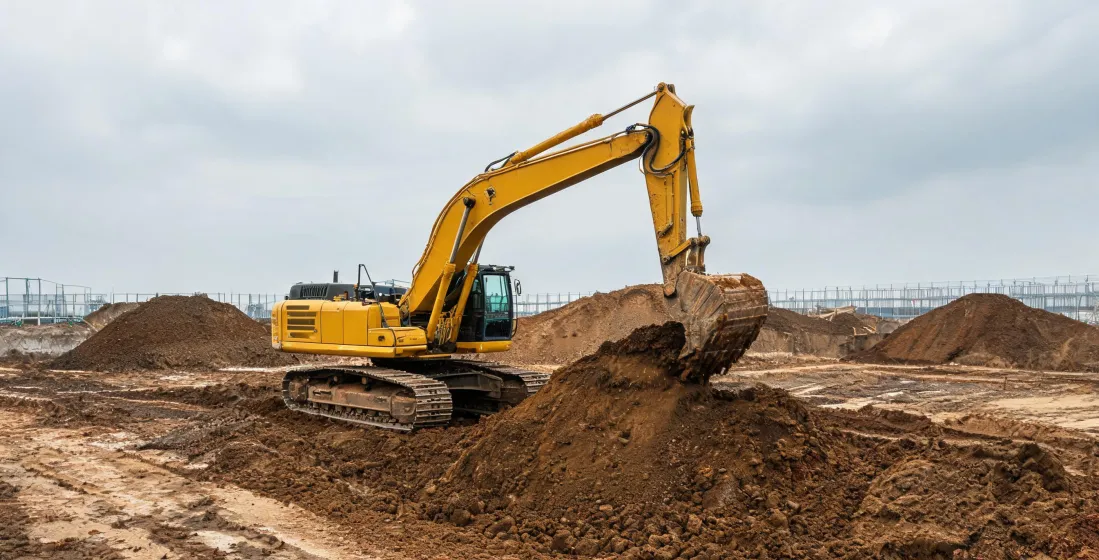
I'll be honest with you: my first two years in equipment procurement were basically a masterclass in what not to do. In 2021, I approved a batch of 6 compact excavators from a supplier I found through a trade listing. Specs looked fine on paper. The price was about 18% below the next quote. I thought I'd found a shortcut.
Four months later, every single machine had hydraulic issues. Total repair bill: just under $19,000. The grading project they were assigned to ran 16 days behind schedule. That mistake — and a few others I'll get into — is why I now keep a pre-purchase checklist taped to my monitor.
What I didn't understand back then is that the supplier model matters more than the spec sheet. So when people ask me what to look for in a compact excavator supplier, the first thing I tell them is: stop comparing brands. Compare supplier types. Because the same machine sourced through two different channels can lead to completely different outcomes.
The Two Supplier Models You're Actually Choosing Between
In compact excavator sourcing, you're generally dealing with one of two supplier categories:
- OEM-capable manufacturers — They build the machines themselves and can produce private-label units with your brand and specs. SANY is one example in this space.
- Distributors and trading companies — They source from factories and resell, often with limited or no real customization capability.
I've purchased from both types. The honest answer is: neither is universally better. But the difference in what you can expect — and what it costs you over time — is significant. Let me walk through three dimensions where it actually matters.
Dimension 1: OEM and Private-Label Flexibility
This is where I lost the most money early on.
In late 2022, I placed a $47,000 order with a trading company for 5 compact excavators. I asked for "custom branding" and "modified hydraulic flow." What arrived was a standard machine with our logo stuck on the side and the exact same hydraulic settings as every other unit they sold.
From the outside, "custom branding" sounds like OEM capability. The reality is that most distributors just slap your logo on a stock machine and call it done.
That's the moment I learned to tell the difference between a real pc excavator oem arrangement and a cosmetic rebrand. Here's the actual comparison:
OEM-capable manufacturers:
- You can specify hydraulic flow rates, engine options, cab configurations within their platform
- Private-label production runs are possible with branded components
- Engineering support exists for customization questions
- You're dealing directly with the entity that controls quality
Distributors:
- Offer catalog models, sometimes with cosmetic changes only
- Legitimate spec customization is rare — they don't control the factory floor
- When something goes wrong, you're dealing with an intermediary, not the source
My conclusion after 7 major purchases: If you need standard units at a competitive price and you're not building a brand, a distributor can work. If you're building a house brand or need real spec flexibility, you need OEM-capable manufacturing. Confusing these two has cost me thousands.
Dimension 2: Product Range and Attachment Compatibility
Here's the thing I didn't appreciate until I'd been managing a mixed fleet for three years: compact excavators don't live alone. You need attachments. You need buckets that fit. You need quick couplers that match your other machines. This is where supplier model number two makes a real difference.
I learned this in 2023. We bought a good excavator from a distributor — genuinely good machine. But when I tried to source a hydraulic breaker for it, the distributor didn't carry one that fit, and the coupler wasn't compatible with anything else in our fleet. That "cheap" machine ended up costing us a custom adapter setup that ran $3,200 and took six weeks to fabricate.
Full-line manufacturers (those building excavators, loaders, telehandlers, and attachments) can offer:
- Attachment compatibility across their own product line
- Common hydraulic and mounting standards
- One supplier relationship for multiple machine types — you might buy a mini excavator and a telehandler like the SANY 1256 from the same source
Distributors often carry:
- One or two product categories, with limited attachment availability
- Mixed standards depending on their sourcing
- You have to figure out compatibility yourself
If your fleet includes or will include multiple machine types, a full-line OEM relationship saves you a lot of guessing. And guessing, in my experience, is expensive.
Dimension 3: After-Sales Parts and Support Structure
This is the one most buyers underestimate. I know I did.
In 2023, I bought two mini excavators from a distributor at a genuinely good price. Upfront cost was fair. But when I needed a replacement hydraulic cylinder for one of them, it took 11 weeks to arrive. Eleven. The distributor didn't stock it and had to source it through their own channel. Meanwhile, the machine sat idle and we rented a replacement at $340 per day.
The most frustrating part? A written warranty doesn't protect you from this. A warranty means nothing if the parts channel is slow.
Here's the comparison:
Direct-from-manufacturer (OEM) supply:
- Parts sourcing follows a known path back to the factory
- Typically faster when the manufacturer has regional parts hubs
- Warranty claims go directly to the source
- Can be slower if you're not in a region they support well
Distributor supply:
- Parts availability depends entirely on the distributor's own inventory and relationships
- Can be fast if they stock locally — frustratingly slow if they don't
- Warranty processing often goes through multiple layers
- You have less visibility into the actual supply chain
The "local distributor is always faster" thinking comes from an era before modern logistics. Today, a well-organized manufacturer with regional parts hubs can sometimes beat a local distributor who's waiting on their own supply chain. But the reverse is also true — if you're in a region with no manufacturer support, the local distributor wins by default.
I now ask every potential supplier these three questions before we talk price:
- Where are your parts hubs, and what's the typical lead time for a hydraulic cylinder replacement?
- Can I speak to one of your existing fleet customers about actual parts response time?
- What's your process when a machine is down under warranty?
If they can't answer clearly — and I mean with specifics, not "our service is excellent" — that's a signal.
How to Decide: A Scenario-Based Guide
If you've made it this far, here's the bottom line, without hedging:
Choose an OEM-capable manufacturer when:
- You're building or scaling a house brand
- You need spec customization (hydraulics, engines, cab features)
- You want a full product ecosystem (excavators + telehandlers + loaders + attachments)
- You can commit to volume that justifies the relationship
- You need direct engineering communication
Choose a distributor when:
- You're buying standard units at the best available price
- You don't need customization
- You're testing the market before committing to a larger supplier relationship
- They have local parts and service coverage you've verified independently
And here's the honest limitation: If you're buying fewer than 3 units and you need on-site service, an OEM factory relationship probably isn't going to serve you well. You won't be a priority account. A good regional distributor might be the better fit in that scenario — not because the machine is better, but because the support structure is more accessible at your scale.
I wish someone had told me that in 2021 instead of letting me learn it through $31,000 in mistakes. But those mistakes are why I keep that checklist taped to my monitor now. If you're evaluating compact excavator suppliers right now, start with the model comparison above before you get into price negotiations. It'll save you more than it costs.

Bogdan Ionescu is a material-handling and access-equipment analyst covering forklifts, telehandlers, scissor lifts, boom lifts, and mobile elevating work platforms. He applies the relevant ISO 3691 industrial-truck provisions and ISO 16368 platform safety tests while examining rated capacity, load center, lift height, reach, platform load, stability, gradeability, controls, and protective devices. His comparisons help warehouses and jobsites choose equipment around ground conditions, aisle and overhead clearance, attachment use, charging or fueling, transport, inspection, and emergency-lowering needs.