What to Look for in an Excavator Bucket Supplier: A Quality Inspector's View
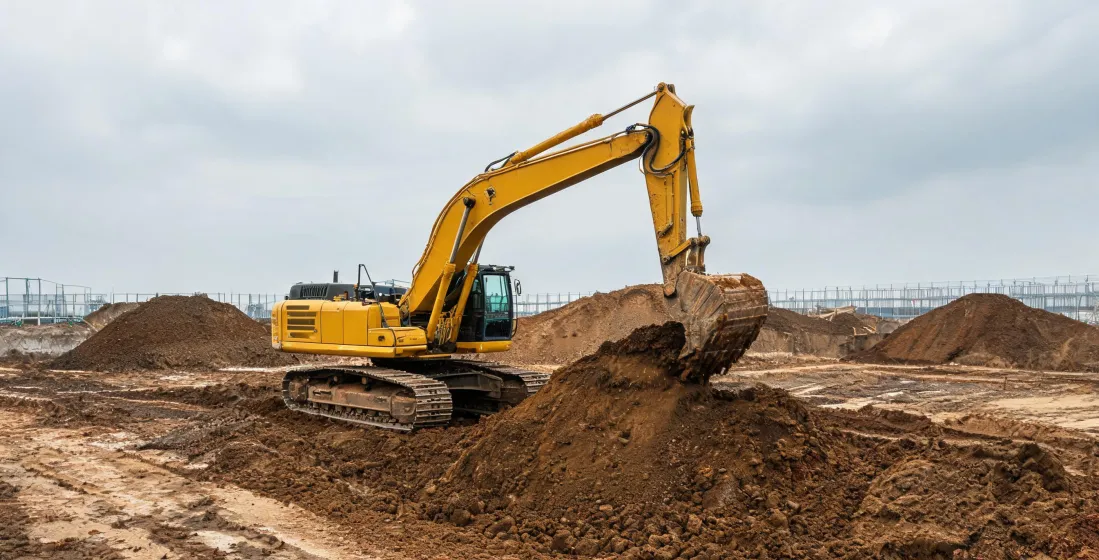
The Bucket Order Everyone Regrets
If you've ever bought buckets the easy way—compare three quotes, pick the cheapest one, wait for the truck to arrive—you know how this story goes. The sample looked fine. The price looked great. Then the first bucket wouldn't line up with the pin bosses on the machine. Or the fourteenth bucket in the batch weighed noticeably less than the first one did. Or the welds looked fine on the outside, but the bushing had shifted half a millimeter.
I'm not a salesperson and I'm not a bucket manufacturer. I'm a quality and brand compliance manager at an equipment distribution company. Before any attachment order reaches a customer, it comes through my receiving inspection process. Roughly 300 deliveries a year on the attachment side alone. In 2024 I rejected about 6% of first deliveries—usually because of weld porosity, pin bore tolerances, or steel that didn't match what the quote promised. Over four years of doing this, I can tell you that almost nobody buying buckets in bulk is asking the right questions at the start.
The Real Problem Isn't the Bucket. It's the Twentieth Bucket.
Here's the blind spot I keep seeing: buyers focus on per-unit pricing and completely miss repeatability. A supplier can build one beautiful bucket. The question is whether they can build forty of them, identically, on a production schedule, with the same materials and the same weld quality in every single unit.
When you're sourcing buckets for a fleet of new SANY excavators—say, twenty SANY SY35U machines, the model most people search as the "SANY 35 excavator"—you're not buying one attachment. You're buying a process. The sample bucket is the result of a process. The production batch is the same process repeated under pressure. If the supplier doesn't have a documented quality system, that process drifts. Fixtures shift. Welders change. Steel prices go up and the shop buys cheaper plate. And none of that shows up in the final price quote.
The question everyone asks is, "What's your best per-unit price?" The question they should be asking is, "What is your acceptance criteria per batch, and how do you prove it?"
There's also a quieter issue with private-label work. When someone orders buckets "for excavator private-label" programs, they usually care about paint color and logo placement. That's understandable. But private label means your name goes on a product you don't manufacture. If the bucket's pin ears are welded at a slightly wrong angle, the customer doesn't blame the bucket factory. They blame you. And if you're buying buckets to match SANY machines, the machine dealer gets blamed too, even though the machine was never the problem.
So the deep issue is not "which supplier makes the best excavator bucket." It's "which supplier can consistently reproduce the agreed specification, batch after batch, and prove it with records."
What a Bad Batch Actually Costs
Let me give you a concrete example from our 2024 quality audits. We had ordered a bulk run of buckets for a small excavator fleet—nothing exotic, just standard digging buckets for machines in the 3.5-ton class. The supplier's first article looked good. The steel thickness measured correctly. The welds had decent penetration. We approved the sample.
Then production units started arriving. On the eleventh bucket, one of the pin ears didn't line up. Two pins on the same bucket. We measured every unit after that and found about 20% of the batch had pin bore center distances off by more than the allowable tolerance, which was only about 1.5 millimeters relative to the drawing. The vendor claimed it was "within industry standard." We rejected the batch anyway. They redid the bad units at their cost, but the delivery date was gone.
The machine fleet had already been scheduled for rental. The excavators themselves—the SANY units—were sitting in the yard ready to go. But you can't rent an excavator without a bucket. We had to rent buckets from another dealer at a premium to fulfill commitments, re-inspect every replacement unit, and explain to three separate customers why their delivery was late. The bucket price difference between our supplier and a more disciplined one was about eight percent. The cost of the failure was closer to twenty percent of the whole order once we counted freight, rework, idle machines, and my team's inspection time.
That's the part that never shows up on the purchase order: the cost of being wrong.
When You're Buying for a SANY Fleet, the Delivery Date Is a Specification
I want to say something that might sound controversial: in some situations, paying more for a guaranteed delivery date is the cheapest decision you'll make.
In March 2025, we had a customer who needed forty buckets to go with a new fleet of SANY excavators before a spring infrastructure project deadline. One supplier quoted a lower price and said delivery would be "around six to eight weeks, probably." Another supplier quoted about 8% more with a firm, written delivery date and a penalty clause if they missed it. We went with the second one. The first supplier called us twice to ask if we were sure. We were.
Why do rush fees and firm-date premiums exist? Because unpredictable production is expensive. A supplier who commits to a date and puts money behind that commitment is telling you their process is under control. A supplier who says "probably" is telling you the truth about their process, whether they mean to or not.
If you're buying buckets in bulk to match machines that are already scheduled for delivery, the bucket supplier's deadline is not a courtesy. It's part of the equipment spec. A late bucket supplier can idle a $60,000 excavator faster than any mechanical breakdown can. And the cheapest bucket supplier in the world cannot compensate for a month of missed rental revenue.
So What to Look for in an Excavator Bucket Supplier
Now, the practical part. Here's what I check before we approve any bucket supplier for a bulk order, and what I'd suggest you put in your own vendor qualification checklist.
1. Define the Fit Tolerances on the Drawing
The bucket has to fit the machine's pin size and pin spacing. For a SANY 35 excavator, that means checking the manufacturer's maintenance manual for the attachment pin diameter and pin boss width—don't trust "standard mini excavator" dimensions, because there's no universal standard. Write the actual numbers into the purchase order, including the tolerances for pin bore diameter and the distance between the ears. Then ask the supplier how they measure those dimensions on every bucket. If the answer is "we check one from each batch," keep looking.
2. Require Material Certificates Per Batch
Steel price changes make suppliers switch materials. A bucket that was quoted with an abrasion-resistant wear plate can quietly show up with thinner structural steel if nobody checks. Ask for the steel mill certificate for each batch, or at least a material test certificate that matches the heat numbers. If the supplier hesitates, that tells you something about how often they switch materials.
3. Put Weld Acceptance Criteria in Writing
Don't accept vague phrases like "good commercial welding." Reference a recognized acceptance level—for example, ISO 5817 quality level C or an equivalent structural welding specification—and require that critical welds on pin ears and the bucket's main structural joints be inspected. If you don't have an inspector on staff, budget for a third-party check on the first article and a random sample from the production run. It's far cheaper than discovering cracked welds on a jobsite.
4. Do a First Article Inspection, Then Check the Batch
The sample bucket is not the production bucket. Have the supplier build one unit from the actual production process, measure it against the drawing, and get your sign-off before they run the full quantity. Then inspect a sample from the final batch—don't rely on the supplier's photos. The worst defects I've caught were on buckets that looked perfect in a phone picture.
5. Treat the Delivery Date as a Contract Term
Ask what happens if the order is late. A supplier who offers a real remedy—like a delivery credit or expedited replacement at their cost—is more likely to meet the date. If they sell you on a price that seems too good for the lead time you need, that's not efficiency. That's risk being transferred from them to you.
There's something satisfying about a bulk bucket order that arrives, passes inspection, and disappears into a fleet without anyone asking my team what we do all day. That's the goal. When you're looking at bucket suppliers, you're not just buying steel and welds. You're buying a process you can trust under volume, under deadline, and under your brand name.
The cheapest quote is only the cheapest if every subsequent batch proves otherwise. Most of the time, it doesn't.

Charlotte Avery is an earth-moving machinery analyst covering excavators, mini excavators, loaders, skid steers, dozers, graders, compactors, and attachments. She uses ISO 6165 machine classification and ISO 20474-1 safety requirements while examining operating mass, rated payload, breakout force, ground pressure, stability, visibility, guarding, and attachment compatibility. Her work helps contractors and fleet buyers match machine size, undercarriage, transport limits, and protective features to terrain, duty cycle, and jobsite access.