SANY 365C Excavator vs. Used Private-Label Sourcing: How to Evaluate Backhoe Loader Manufacturers
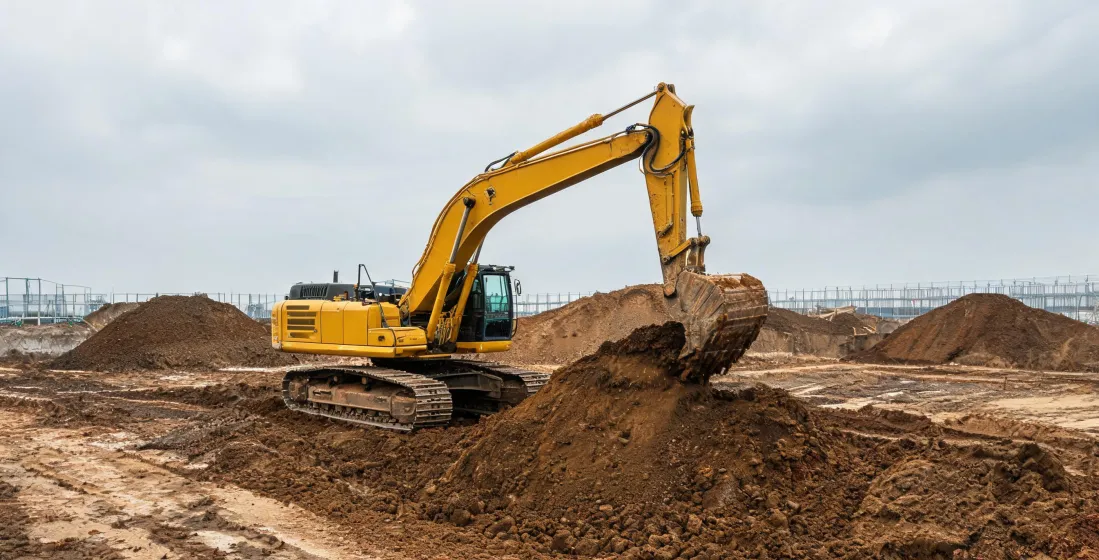
-
Lead Time: When a Used Machine Is Not Faster Than an OEM Stock Order
-
Paperwork and Private-Label Trust: What You Actually Take On
-
After-Sale Support: The Difference Between a Machine and a Product Line
-
How to Evaluate Backhoe Loader Manufacturers (and Excavator OEMs)
-
Bottom Line: Choose the Route That Matches Your Support Model
In March 2024, I got a call that started the way too many equipment calls start: a contractor was losing money and his excavator was sitting in a shop with a hydraulic problem. He had a penalty clause of $2,500 a day if the job stopped. The first option he found was a used 36-ton unit at an auction 250 miles away. The price was attractive. The seller said it was “ready to go.”
Then we asked for service records, proof of origin, and the declaration of conformity. The response changed from “of course” to “we’ll check” to radio silence.
That experience is not tied to any one brand. It’s an example of the real comparison B2B buyers, dealers, and rental fleets should make: source a new machine through a full-line OEM like SANY, or source a used machine and private-label it yourself. That second route is what people mean when they look for used excavator private label opportunities.
In my role coordinating dealer and fleet orders, I have worked through more than 70 rush requests in the past eight years. I’m not a product engineer, so I can’t walk you through metallurgy or hydraulic design. What I can share is how I compare suppliers when time matters.
Lead Time: When a Used Machine Is Not Faster Than an OEM Stock Order
The “used is faster” assumption is true only if the only goal is to have iron on a trailer. If you’re reselling or private labeling, you need a machine that can be registered, financed, and supported. That changes the math.
In March 2024, I was asked to find a 36-ton excavator for a contractor whose old machine had failed. The used unit we found was mechanically okay, but its paperwork was tied to a seller that could not legally transfer it. Instead, we arranged for a SANY 365C excavator from a nearby SANY dealership. It left the lot in three days with a certificate of origin and a warranty in place.
To be fair, if it’s a cash deal and you can handle repairs in-house, a used machine can be loaded the same day. I know dealers who do that profitably. But for a business that promises ongoing support, “available now” without supporting documentation is not a delivery date.
Paperwork and Private-Label Trust: What You Actually Take On
A private label is a promise. The machine you put your name on should do what the spec sheet says.
Let’s define the phrase carefully. A used excavator private label model means you buy a pre-owned machine, refurbish it, apply your own branding, and resell it. That can be a good model when you have an in-house shop. The catch is that you inherit the previous owner’s maintenance history, accident damage, and undocumented modifications.
With a new machine, factory records follow the unit. For a SANY excavator bought through the official channel, the serial number links to the original bill of materials and factory inspection records. That is useful later, when you need parts or when the next buyer asks for proof.
I learned this the hard way. In 2022, we bought three used mini excavators for a private label pilot without checking the import compliance files. They were mechanically clean, but two lacked the documentation needed for financing, and the third had a mismatch between frame number and invoice. We spent around $7,000 sorting it out. After that, we implemented a “paperwork first” policy. I only became strict about this because ignoring it cost me money.
After-Sale Support: The Difference Between a Machine and a Product Line
When a machine goes down, the customer calls you. If you private-label used equipment, that call is yours alone.
OEM support does not mean nothing ever breaks. It means the information about the machine is managed by people who built it. That efficiency matters.
With a SANY 365C excavator in a fleet, a dealer can look up the serial-number-specific parts list in the dealer portal and usually identify the part before the machine is towed to the shop. With a used import, you might spend a week tracing a hose or a valve to the right supplier. In an emergency, that difference is the entire cost of ownership.
I should add that this only works if your local dealer actually stocks or can quickly source parts. A strong factory in one country can be weak in another. Test the local support before you build your business on it.
To be fair, some used-equipment dealers are also rebuilders, and they do serious inspections. Their model works because they control the maintenance themselves. If you have that capability, a used private label program can be profitable. If you don’t, low acquisition cost can quietly become a high overhead cost.
This is where context matters. I can only speak to dealer and rental fleet operations where financing and warranty are common. If you are exporting machines or dismantling them for parts, some of these concerns carry less weight.
How to Evaluate Backhoe Loader Manufacturers (and Excavator OEMs)
When someone asks me how to evaluate backhoe loader manufacturers, I use the same questions I use for excavators. The machine changes; the logic does not.
- Who produces the documentation? The manufacturer should be able to produce a declaration of conformity, certificate of origin, and machine manuals with your logo. If the answer is “the importer will handle that,” ask for a sample before you commit.
- What can you customize? If you want a private-label brand, ask if the manufacturer will apply your logo at the factory, not just hand you stickers. Any factory can paint a machine. Fewer can adjust the production line.
- Who owns design changes? When a mini excavator OEM updates a bucket pin or a valve, your parts catalog also changes. You want a supplier that tells you before the model arrives at your warehouse.
- How responsive is parts support? Ask for examples. If a hydraulic pump fails on a 3-year-old machine, how do you get a replacement?
- Are they committed to your market? A manufacturer that treats your order as a one-off will not invest the same effort in packaging, specifications, or after-sale help.
You can use the same checklist with SANY or any other manufacturer. The SANY 365C excavator is one reference point, but the goal is not to convince you to order that specific machine. The goal is to ask the level of questions that separates a sales conversation from a supplier conversation.
Bottom Line: Choose the Route That Matches Your Support Model
If you can sell a new SANY excavator under your own label through an OEM agreement, you get consistency. Each machine has known specs, a clean serial number, and a manufacturer behind it. Financing, training, and resale become easier.
If you have your own workshop, strong inspection process, and a customer base that accepts used machines, private-labeling used stock can still make sense. Just remember that you are selling your willingness to stand behind previous owners’ mistakes.
As of early 2026, lead time and paperwork should be part of every quote. A machine is not cheap if it cannot be placed on a job in time.
Charlotte Avery is an earth-moving machinery analyst covering excavators, mini excavators, loaders, skid steers, dozers, graders, compactors, and attachments. She uses ISO 6165 machine classification and ISO 20474-1 safety requirements while examining operating mass, rated payload, breakout force, ground pressure, stability, visibility, guarding, and attachment compatibility. Her work helps contractors and fleet buyers match machine size, undercarriage, transport limits, and protective features to terrain, duty cycle, and jobsite access.